
Homemade Honey & Onion Cough Syrup (A Traditional Remedy, Backed by Research)
Recipes, Home Remedies, Cold & Flu Season, Family Wellbeing
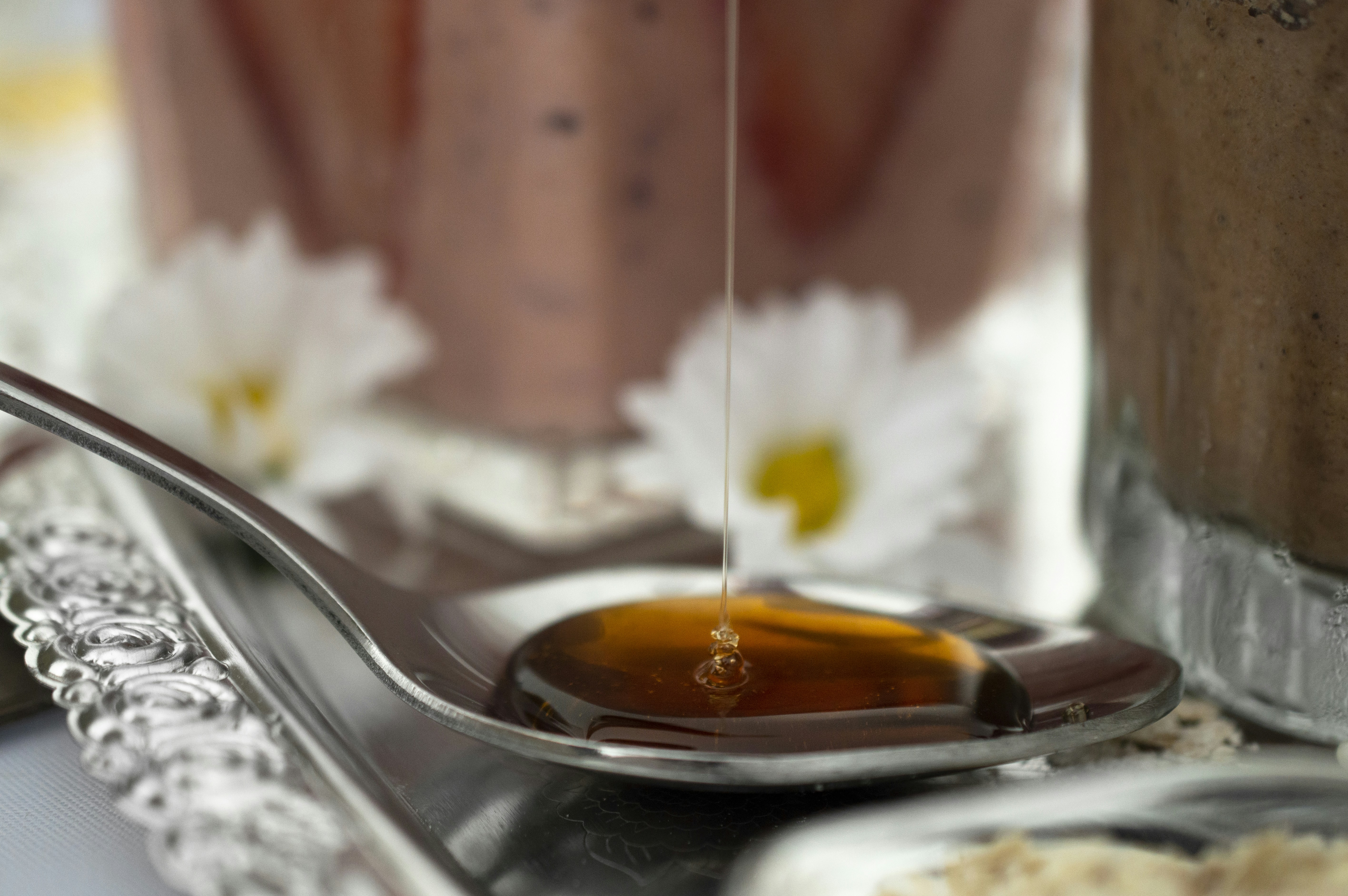
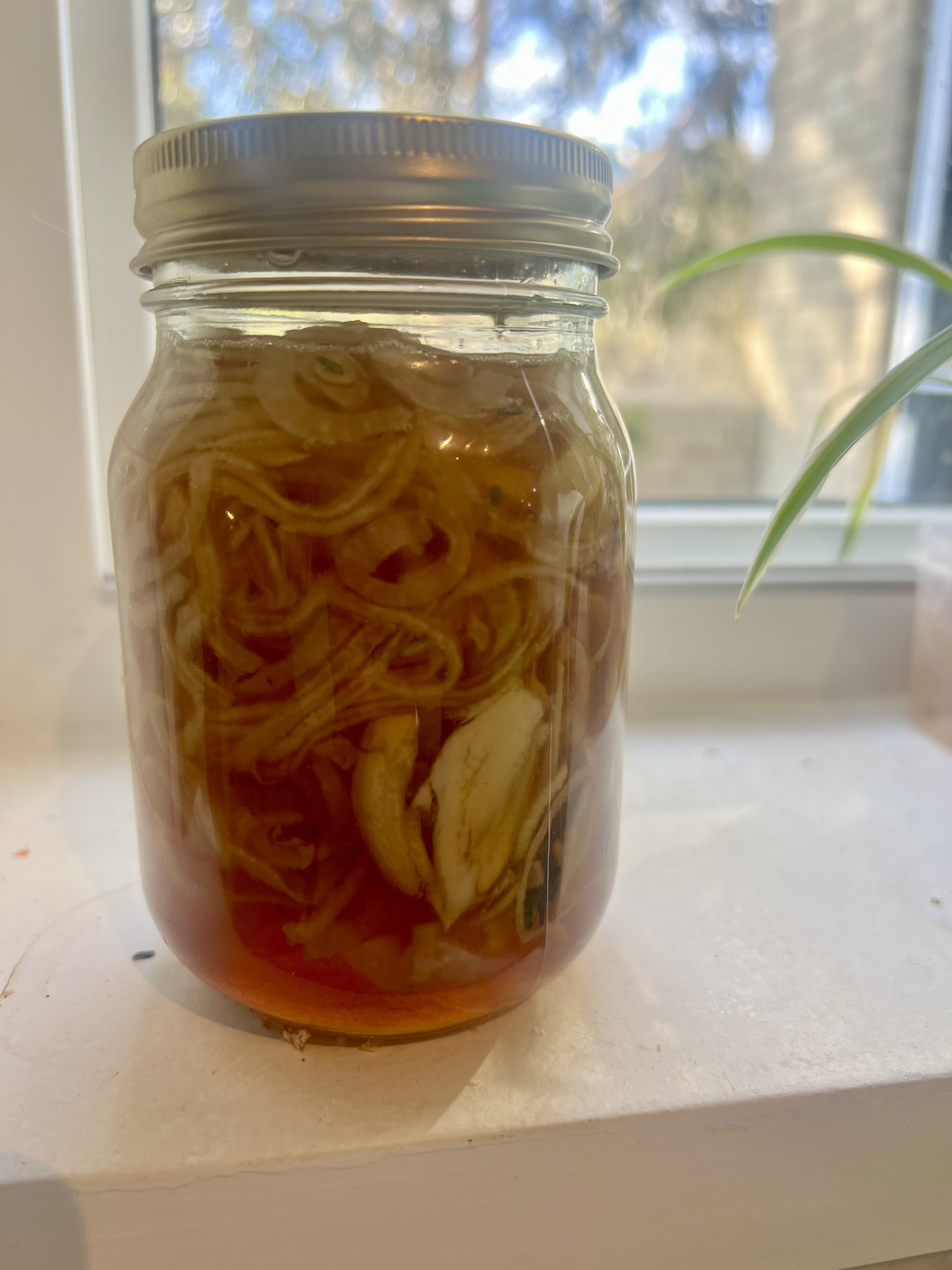
This is my go-to to have in the fridge over winter. It's a beautiful home remedy that can help soothe a sore throat. Recipes like this have been used for centuries for minor coughs and upper respiratory tract infections. It blends the soothing properties of onion and honey to create a beautiful syrup the whole family can use. Below, I'll walk you through the research behind honey and onion, plus a few other ingredients you can add for extra benefits.
📌 Key Takeaway: This is a traditional remedy with genuine research behind honey and onion individually — it's a lovely addition to your cold-season routine, not a replacement for medical care.
Honey and Its Use
Honey has been used as a remedy for coughs and sore throats since ancient Greek times, and it's one of the few traditional remedies with real clinical research behind it.
A Cochrane review of randomised controlled trials found honey was more effective than no treatment at reducing cough frequency in children with upper respiratory tract infections, and was also comparable to, or better than, diphenhydramine (a common over-the-counter antihistamine) for cough frequency, severity and sleep quality (1). A more recent randomised controlled trial found similar results, with honey significantly reducing cough frequency and severity while improving sleep for both children and their caregivers (2). The UK's National Institute for Health and Care Excellence (NICE) also notes honey as a self-care option with some evidence of benefit for acute cough (3).
Most of the benefit shows up in the first few days of a cough, and honey is thought to work partly as a demulcent — coating and soothing the throat — and partly by helping to ease excess mucus production (4).
Australia's Healthdirect echoes this, noting that honey may help reduce the severity and length of a cough, with 1–2 teaspoons taken around 30 minutes before bed for those over 12 months (5).
Types of Honey
Raw honey — unfiltered and unheated, which helps preserve its natural antioxidants, enzymes and antimicrobial properties.
Local honey — many families like using honey from closer to home; there's added value in supporting local beekeepers, though the research on local honey behaving differently to other pure honey is limited.
Manuka honey — graded by its Unique Manuka Factor (UMF) or methylglyoxal (MGO) content, with medical-grade manuka honey containing higher levels of antimicrobial compounds. It's more expensive than standard honey.
Work within your budget — any raw, good-quality honey will work well here.
Onion — Why It Helps
Onion brings its own set of properties to this remedy: antimicrobial, anti-inflammatory, immune-regulating and antioxidant (6, 7).
Much of this comes down to quercetin, a flavonoid found in high concentrations in onion, which has documented antioxidant, anti-inflammatory and antimicrobial activity (8, 9). Onion also contains alliin, which converts to allicin (the same compound responsible for garlic's antimicrobial activity) when the onion is cut or crushed, along with a good source of vitamin C and other antioxidant compounds (7).
Additional Extras
A few optional additions can round out the remedy, depending on what you're after:
Thyme — antimicrobial
Garlic — antimicrobial
Turmeric — anti-inflammatory
Ginger — anti-inflammatory
💡 Pro Tip: You don't need all of these — choose based on what your body needs.
What to Choose
Leaning antimicrobial (if you feel a minor infection coming on): thyme, garlic
Leaning demulcent and anti-inflammatory (for a sore, dry throat): honey, turmeric, ginger
A Quick Note: Honey should never be given to babies under 12 months of age, due to the risk of infant botulism. This remedy is intended for children over 12 months and adults.
Want more evidence-based recipes and remedies like this one, rooted in real research rather than fads? Sign up to my newsletter and I'll send them straight to your inbox.
When to Seek Help
This syrup is a comforting, research-informed addition to your cold-season routine — not a substitute for medical care. If your cough hasn't started improving after a week, is getting worse, or you notice other symptoms like fever, breathlessness or a cough lasting more than three weeks, it's time to check in with your GP or pharmacist.
Final Thoughts
There's real comfort — and genuine research — behind a jar of honey and onion in the fridge over winter. It's simple, low-cost, and something the whole family can be part of making. If you'd like support with your nutrition and wellbeing beyond cold season, I'm always here to help — you can book a consultation with me anytime.
References
Oduwole O, Udoh EE, Oyo-Ita A, Meremikwu MM. Honey for acute cough in children. Cochrane Database of Systematic Reviews. 2018.
Randomised controlled trial, Effect of Honey on Cough Symptoms in Children with Upper Respiratory Tract Infection, 2022 (PubMed).
Chaplin S. Is honey effective for upper respiratory tract infection? Prescriber, 2021, referencing NICE guidance on acute cough.
GoodRx Health, Does Honey Help a Cough? Yes, Here's How, 2025.
healthdirect Australia, Cough — types, treatments and remedies.
Sharma K, et al. A review of anti-inflammatory, antioxidant, and immunomodulatory effects of Allium cepa and its main constituents.
Onion nutritional and nutraceutical composition and therapeutic potential of its phytochemicals, ScienceDirect, 2025.
Recent Advances in Potential Health Benefits of Quercetin, PMC.
Effect of Quercetin Rich Onion Extracts on Bacterial Quorum Sensing, PMC.


