
Why You’re Not Hungry After Workouts (And Why That Matters)
Introduction
Have you ever finished a workout and realised you’re not hungry at all? For many women, this feels like a positive thing.
You might think:
“Great, I must not need the calories.”
“Maybe this will help with weight loss.”
But in clinic, this is often something I pay close attention to. Because loss of appetite after exercise can sometimes be a sign your body is under stress.
Hunger Is Controlled by Hormones
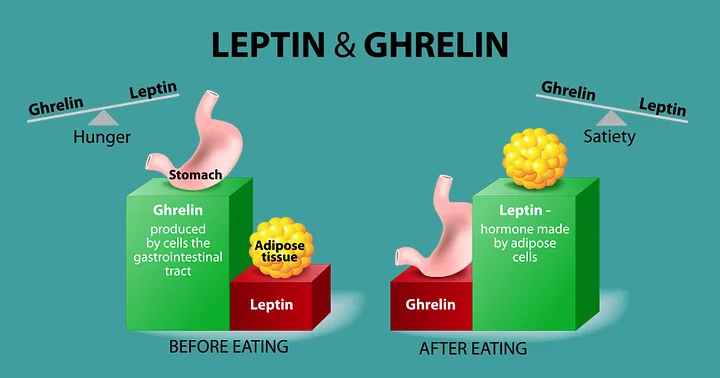
Hunger isn’t simply about willpower, it’s regulated by a feedback loop between two key hormones: ghrelin and leptin.
Ghrelin signals hunger and tells your body it’s time to eat.
Leptin signals fullness and helps regulate energy balance.
When these hormones are working well, appetite tends to follow a fairly predictable rhythm across the day.
However, several factors can influence this feedback loop, including:
age
sex
physical health
stress
diet
thyroid or metabolic conditions
and physical exercise
How Exercise Affects Hunger
Many people assume exercise should immediately make them hungry. But physiologically, the opposite often happens. Exercise - particularly high-intensity training - can temporarily suppress ghrelin, that hunger hormone. This happens for a few reasons.
During intense exercise:
blood flow is redirected away from the digestive system and toward working muscles
lactate production increases
stress hormones such as cortisol and adrenaline rise
These changes can temporarily inhibit ghrelin secretion from gastric cells, meaning your body doesn’t register hunger signals immediately after exercise.
In simple terms:
The higher the intensity of the workout, the greater the stress response and the more likely appetite will be suppressed in the short term.
Why This Matters for Energy and Recovery
If this happens occasionally, it’s usually not a problem. But when women regularly train hard and don’t refuel afterwards, a pattern can develop.
Over time, this can contribute to:
persistent fatigue
blood sugar instability
increased cravings later in the day
slower recovery from exercise
hormone disruption
Many women then find they become very hungry later in the evening, which can lead to overeating at night. Then the self loathing comes in, you trained hard, you ate healthy through the day, and yet again you've not been able to stop yourself from over eating at night. What's the point??
I need you to know, this isn't due to you not having strong enough willpower or enough discipline. It's your body letting you know it needed more energy through the day.
The Role of Under-Fuelling
One of the most common patterns I see in clinic is women who are:
exercising regularly
trying to eat “healthy”
but unintentionally under-fuelling
This might look like:
skipping breakfast before morning training
relying on coffee until midday
having a light lunch
then feeling exhausted by the afternoon
The body can tolerate this pattern for a while. But eventually symptoms begin to appear.
What To Do If You’re Not Hungry After Workouts
If appetite isn’t showing up after exercise, the goal isn’t to force a large meal immediately.
Instead, the first step is helping your body shift out of fight-or-flight mode and back into rest-and-digest.
1.Start With a Proper Cool Down
Finishing your workout abruptly can keep the nervous system activated. A short cool down helps signal to the
body that the stress has ended.
This might include:
light walking
gentle stretching
slower breathing
2. Use Your Breath to Shift the Nervous System
Simple breathing exercises can help move the body from sympathetic (“fight or flight”) into parasympathetic (“rest and digest”) mode. Even a few minutes of slow breathing after training can help digestion and appetite return. Read more here on your nervous system and exercises to help regulate.
3. Choose Easily Digestible Foods
If appetite is low, start with foods that are easy to tolerate.
For example:
yoghurt with fruit and nuts
eggs on toast
a smoothie with protein
tuna & crackers
These provide protein and carbohydrates without feeling too heavy.
4. Aim to Eat Within 1–2 Hours
Even if hunger is mild, try to have something within one to two hours after training. This helps support recovery and prevents energy crashes later in the day.
5. Slow Down While Eating
If you’re eating quickly, standing, or rushing between tasks, your body may still be in a stressed state.
Taking a few minutes to sit and eat calmly helps digestion and allows hunger signals to normalise.
Over Time, Hunger Should Return
As fuelling becomes more consistent and the nervous system settles, most women begin to notice their appetite gradually returning after training.
This is a positive sign that the body is feeling safe, supported and well fuelled.
However, if appetite suppression continues alongside symptoms like fatigue, brain fog or hormonal disruption, it may be worth investigating further.
In some cases this can be linked to:
blood sugar regulation
iron depletion
thyroid changes
elevated stress load
I generally see clients at this stage, they've pushed through for a while and finally decided enough is enough. The body is giving them signals they no longer wish to ignore. Functional testing can be a game changer in these instances.
Final Thoughts
Not feeling hungry after workouts isn’t always something to ignore. For many women, it’s simply the body signalling that it needs better support. Consistent fuelling, balanced meals and adequate recovery can make a significant difference to energy levels and long-term health. If you’re exercising regularly but still struggling with fatigue or recovery, it may be worth looking a little deeper.
You’re welcome to book a 15-minute call to discuss what’s been going on and whether further investigation might help uncover what’s driving your symptoms.
References
Ghrelin Response to Acute and Chronic Exercise: Insights and Implications from a Systematic Review of the Literature, https://pmc.ncbi.nlm.nih.gov/articles/PMC8514378/
Interactions between exercise, environmental factors, and diet in modulating appetite-regulating hormones: implications for athletes and physically active individuals, https://pmc.ncbi.nlm.nih.gov/articles/PMC12127754/#:~:text=High%2Dintensity%20interval%20training%2C%20sprint,hormones%20while%20reducing%20ghrelin%20levels.
3 Ways to down-regulate post-training, https://www.scienceoffitness.com.au/blog/3-ways-to-down-regulate-post-training#:~:text=Find%20out%20how.,each%20exhale%20as%20you%20go.


