
Why “Healthy Gut Advice” Can Make Your Symptoms Worse (And What Stool Testing Reveals)
If you’ve ever been told to cut entire food groups out, or go on a low FODMAP diet long term to fix your digestive issues and they're STILL there. This blog post is for you!
For many of the women I work with here in Canberra and online, gut health advice is often the first thing they try… and the thing that leaves them feeling more confused, more restricted, and sometimes worse.
Eat more fibre.
Add fermented foods.
Take probiotics.
Cut gluten.
Cut dairy.
Cut sugar.
It sounds sensible. It’s well-intentioned.
But it assumes everyone’s gut issue is the same.
I can tell you with certainty, it isn’t.
When “Good Gut Advice” Backfires
One of the most common things I see in clinic is women who are doing all the “right” things, yet still dealing with:
Bloating that worsens through the day
Constipation or loose stools or both!
Fatigue after meals
Food sensitivities that keep expanding
Hormonal symptoms that don’t improve
Often, the advice they’ve followed has added more stress to an already stressed system.
And this is where functional stool testing becomes invaluable.
What Stool Testing Can Reveal That Generic Advice Misses
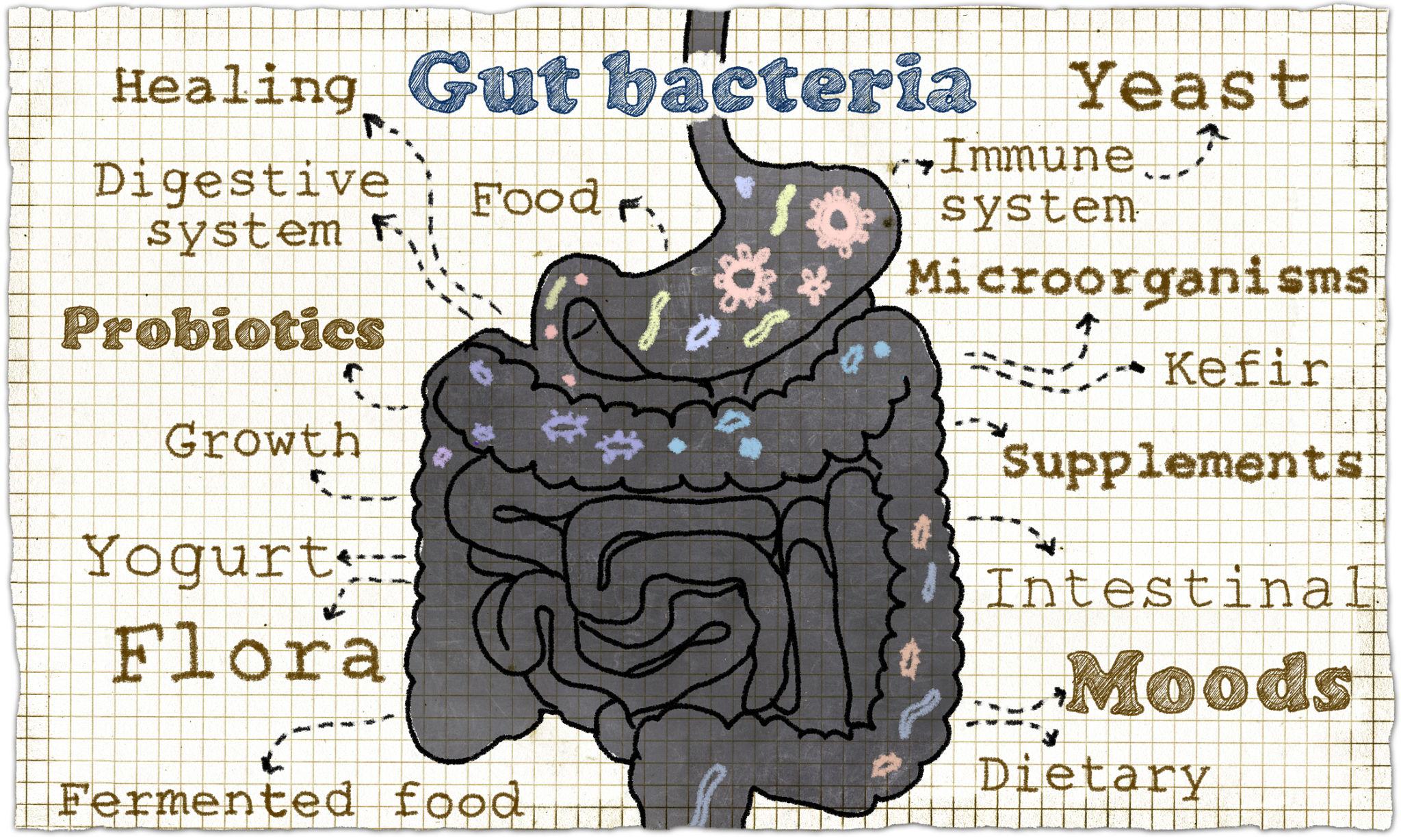
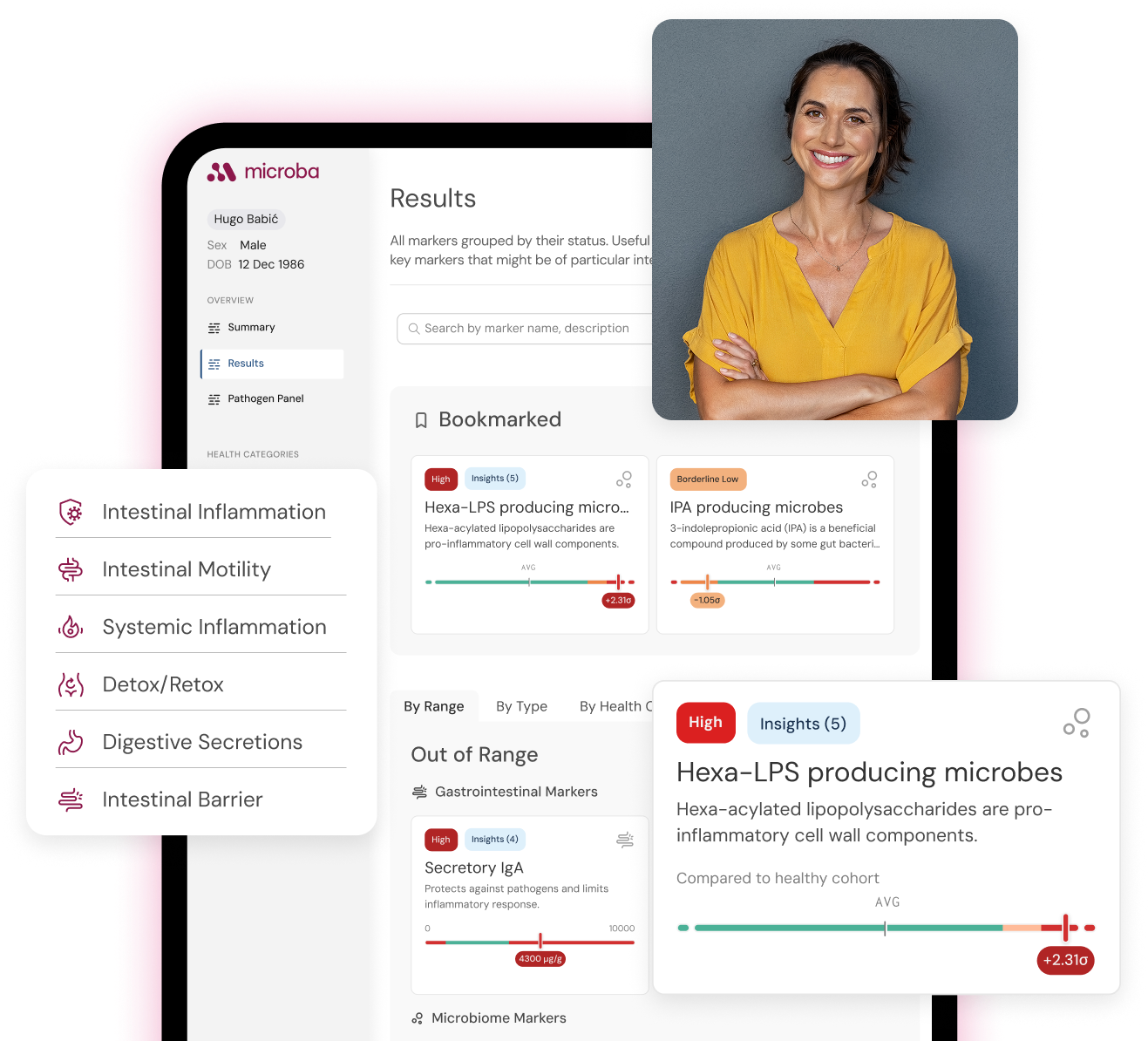
Rather than guessing, stool testing allows us to look at what’s actually happening in your gut.
Here are a few patterns I commonly see and why generic advice can be unhelpful (or harmful).
1. “Eat more fibre” - but fermentation is already an issue
Fibre is essential.
But in some guts, adding more too quickly feeds the wrong bacteria.
On stool testing, this can show up as:
Imbalanced gut bacteria
Excess fermentation
Gas production that contributes to bloating and pain
In these cases, more fibre isn’t the solution - the type, timing, and tolerance matter
2. Probiotics that worsen bloating and discomfort
Probiotics are often marketed as harmless.
But stool testing can reveal:
Bacterial overgrowth patterns
Poor microbial diversity
Situations where adding bacteria increases symptoms
This is why “just take a probiotic” can leave someone feeling worse, not better.
3. Ongoing inflammation despite “clean eating”
Some women are eating extremely well, yet still experiencing gut symptoms and fatigue.
Testing may show:
Markers of gut inflammation
Immune activation in the digestive tract
Poor digestion or absorption
In these cases, the issue isn’t willpower or food quality. It’s how the gut lining and immune system are responding.
4. Poor digestion, not food intolerance
Cutting foods can feel helpful initially, but over time it often leads to more restriction and fear around eating.
Stool testing can highlight:
Low digestive enzyme output
Impaired fat or protein digestion
Why meals feel “heavy” or leave you exhausted
Supporting digestion is very different from eliminating more foods.
Why Gut Health Is Never “Just the Gut”
Gut symptoms don’t exist in isolation.
Chronic stress, hormonal shifts, burnout, and nervous system load, all common in professional women, directly affect digestion.
This is why a root-cause approach looks at:
Gut function
Stress and nervous system regulation
Hormonal pathways
Nutrient status
Not just food lists.
If You’re Tired of Guessing
If you’ve tried gut health advice and ended up:
More confused
More restricted
Or still symptomatic
It may be time to stop guessing and start investigating.
A functional stool test allows us to understand:
What’s driving your symptoms
What doesn’t need fixing
And what support will actually help your gut and your energy recover
If you’d like to talk through whether this approach is right for you, you can book a 15-minute call to discuss what’s been going on and what support might help.


